
In commercial frying operations, cooking oil quality directly affects food taste, safety, and operating costs. Restaurants, central kitchens, and industrial food processors are increasingly adopting advanced oil purification equipment. One of the most effective solutions is the vacuum oil filter machine. Understanding how a vacuum oil filter machine filters cooking oil helps buyers make informed decisions and improve frying efficiency.
A vacuum oil filter machine is designed to remove food residues, carbon particles, moisture, and impurities from used frying oil, extending oil life and maintaining stable frying performance.
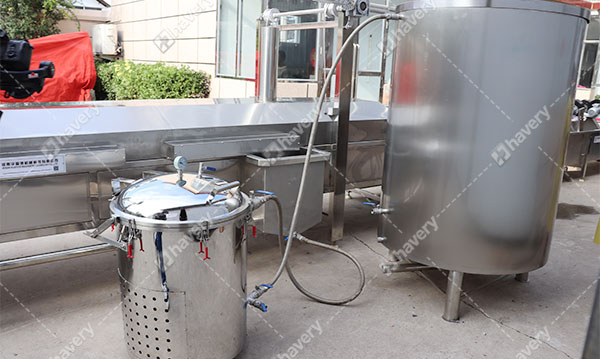
Why Cooking Oil Filtration Is Essential
During continuous frying, cooking oil undergoes oxidation, carbonization, and moisture contamination. Without filtration, oil degrades rapidly, resulting in darker color, unpleasant odors, and inconsistent product quality. A vacuum oil filter machine plays a critical role in maintaining oil cleanliness while reducing oil replacement frequency.
By using a vacuum oil filter machine, food producers can lower production costs, improve food appearance, and comply with hygiene standards.
Vacuum Oil Filter Machine Working Principle
1. Vacuum Environment for Gentle Filtration
The core feature of a vacuum oil filter machine is its negative-pressure working environment. Under vacuum conditions, oil flows smoothly through the filtration system at lower temperatures, minimizing oxidation and thermal damage. This is especially important for maintaining oil stability during long frying cycles.
2. Multi-Layer Filtration System
A professional vacuum oil filter machine uses multi-stage filtration, including:
- Stainless steel mesh filters for large particles
- Filter paper or filter cloth for fine impurities
- Optional activated carbon layers for color and odor improvement
This layered structure ensures high filtration precision while maintaining oil flow efficiency.
3. Moisture Removal Capability
One major advantage of a vacuum oil filter machine is its ability to remove water from cooking oil. Under vacuum pressure, moisture evaporates at lower temperatures and is discharged through the vacuum system. This prevents oil splashing, foaming, and accelerated degradation during frying.
4. Continuous or Batch Operation
Depending on production scale, a vacuum oil filter machine can operate in batch mode or continuous mode. Industrial models are often connected directly to frying machines, allowing real-time oil filtration without stopping production.
Vacuum Oil Filter Machine Key Components
A high-quality vacuum oil filter machine typically consists of:
- Vacuum pump system
- Heating and temperature control unit
- Filtration chamber
- Oil circulation pump
- Control panel with safety protection
These components work together to ensure stable performance, long service life, and safe operation.
Applications in Food Processing Industry
A vacuum oil filter machine is widely used in:
- French fries and potato chips production lines
- Fried chicken and meat processing
- Snack food manufacturing
- Central kitchens and catering factories
In all these applications, the vacuum oil filter machine helps maintain consistent oil quality and product taste.
Vacuum Oil Filter Machine Benefits
Investing in a vacuum oil filter machine brings multiple long-term benefits:
- Extended oil service life
- Reduced oil consumption and cost
- Improved food color and flavor
- Enhanced food safety and hygiene
- Lower equipment maintenance frequency
These advantages make the vacuum oil filter machine an essential auxiliary device in modern frying systems.
Conclusion
So, how is a vacuum oil filter machine filter cooking oil? By combining vacuum technology, multi-layer filtration, and moisture removal, it effectively purifies frying oil while preserving its quality. For food processors seeking efficiency, cost control, and stable product output, a vacuum oil filter machine is a smart and reliable solution.
If you are upgrading your frying system, integrating a professional vacuum oil filter machine can significantly improve overall production performance.